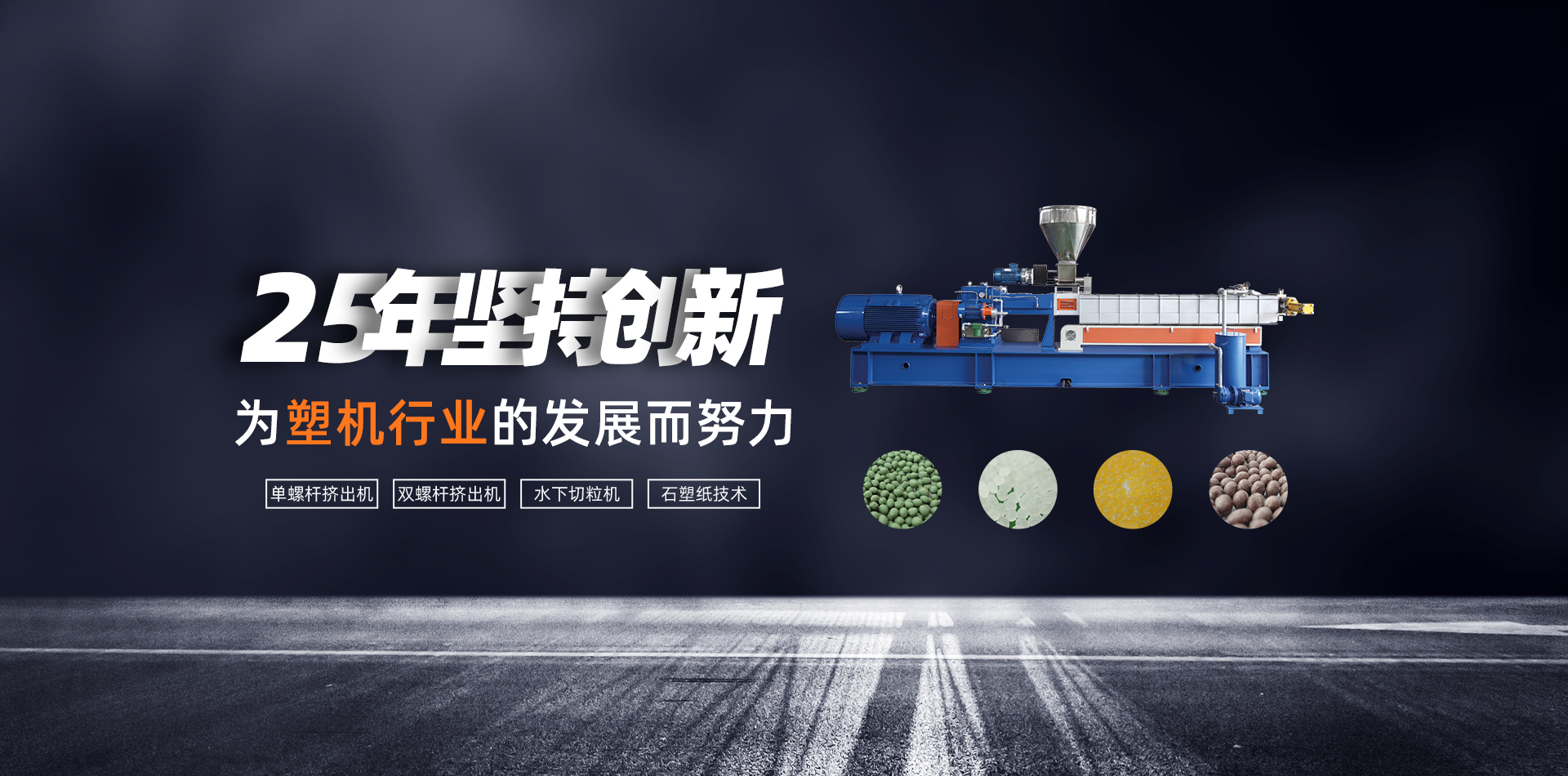
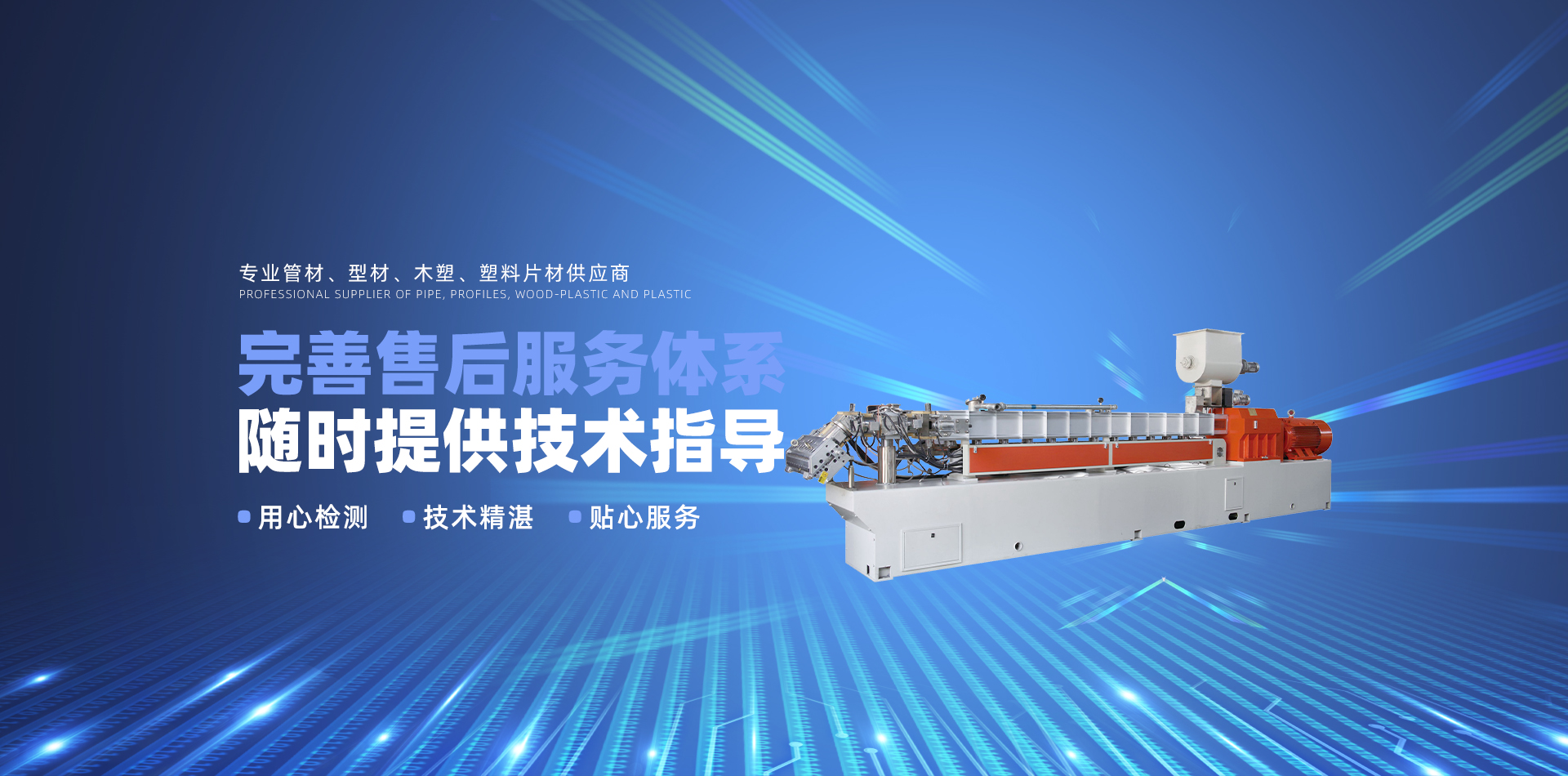
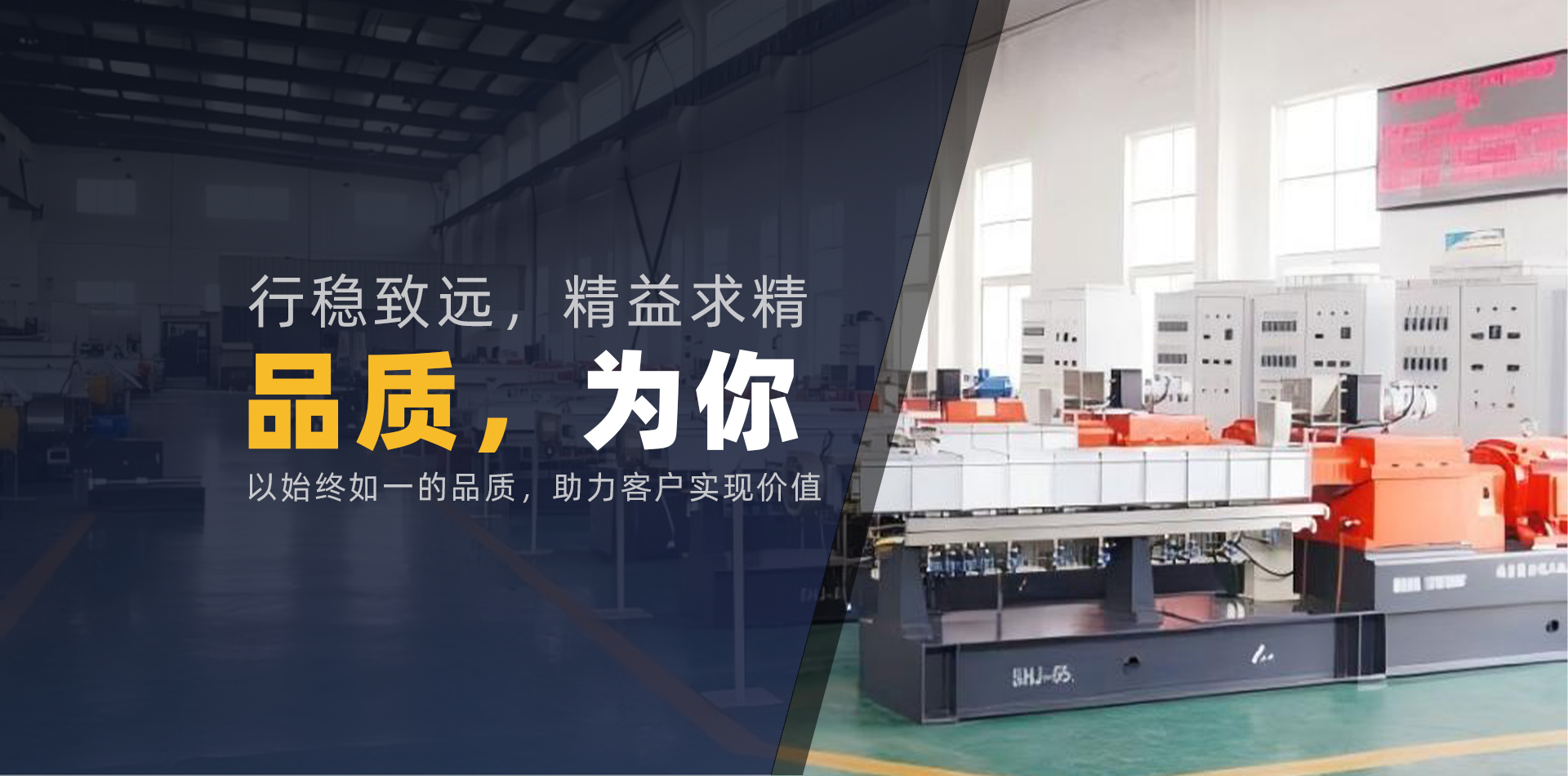
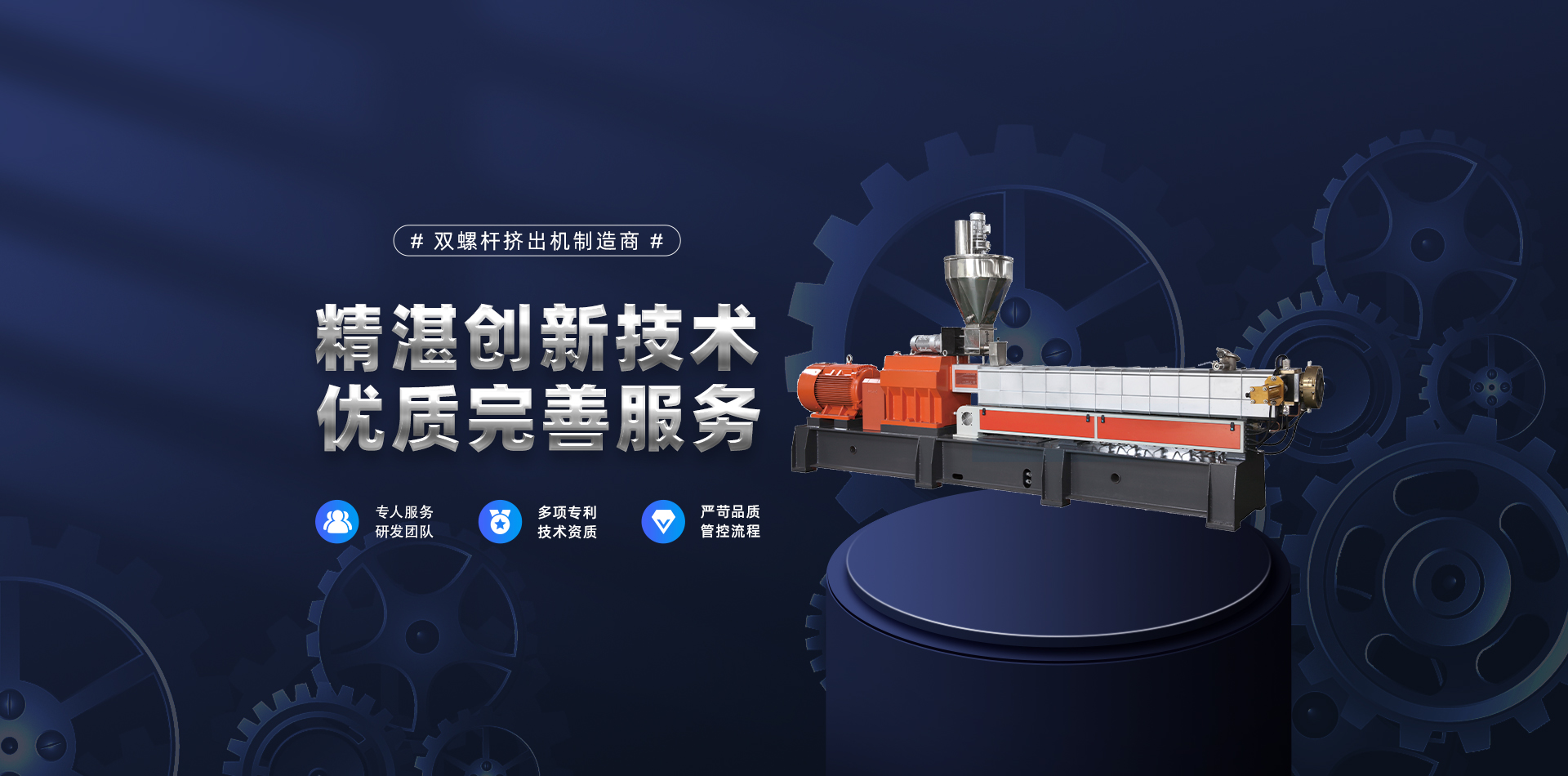
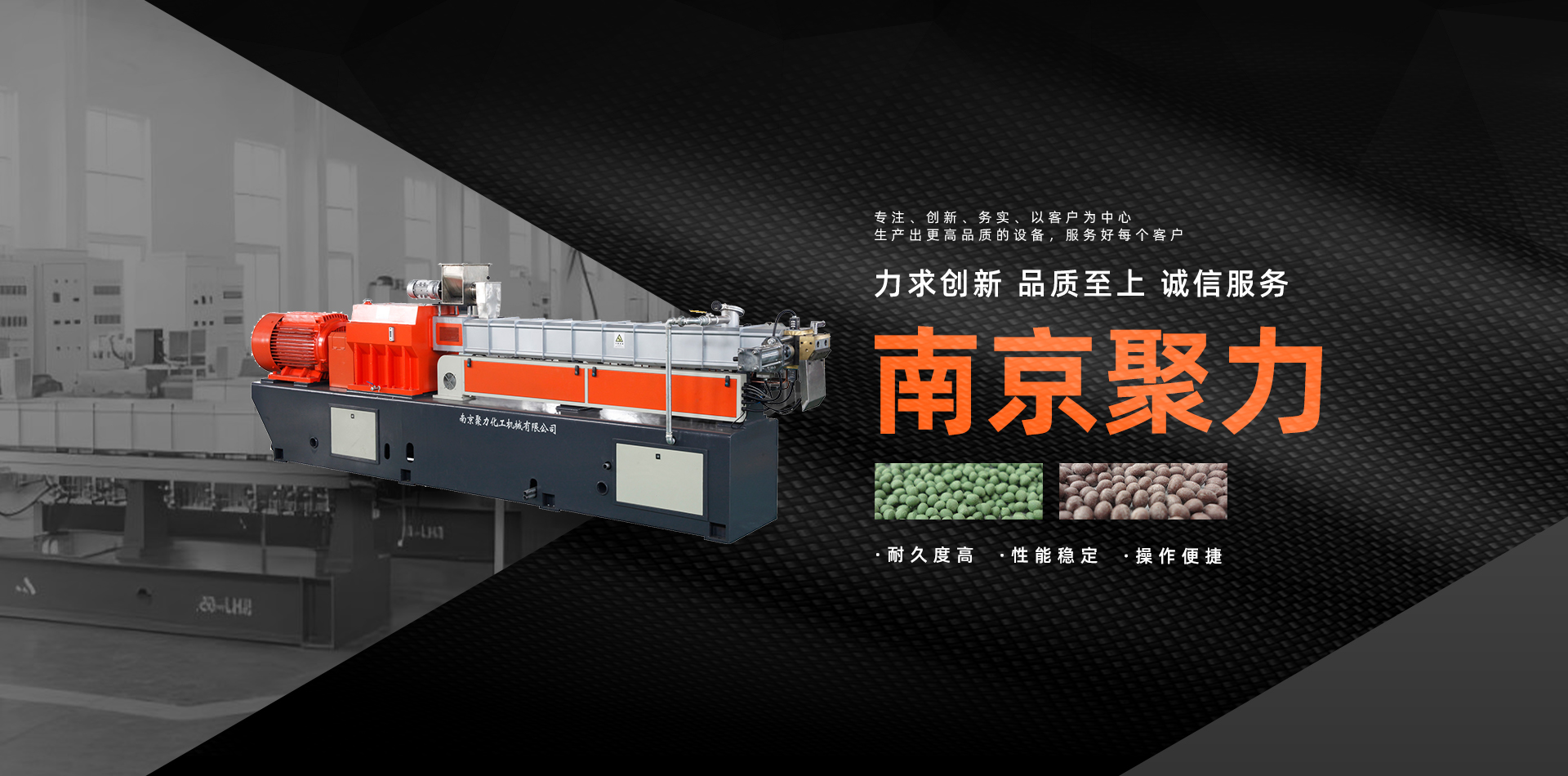

Have you ever wondered how a tiny plastic particle, through a series of intricate processes, ultimately transforms into the plastic products we encounter in our daily lives? Perhaps you're also curious about the role that plastic compounding and granulating machines play in this process. If you're intrigued by the manufacturing industry, this article promises to unveil the secrets filled with technology and creativity. As the renowned economist Adam Smith once observed, "The division of labor is the foundation of wealth." This adage holds true in the realm of modern plastic manufacturing. Plastic compounding and granulating machines are quintessential examples of this efficient division of labor, playing a pivotal role in industrial production by modifying and granulating plastic materials.
Recalling my first encounter with a plastic modification granulator, I found myself in a bustling production workshop, where machines were humming and the air was filled with the scent of plastic. As a novice, I stood beside the production line, watching the tiny plastic particles continuously flowing out of the machine, and couldn't help but ponder, "How does this small machine manage to make such a complex process so efficient?" As the name suggests, a plastic modification granulator is responsible for both modifying plastics and processing them into granular form. It plays a pivotal role in the entire production chain, from the plastic modification of raw materials to the final granular finished product, all relying on the precise operation of this machine.
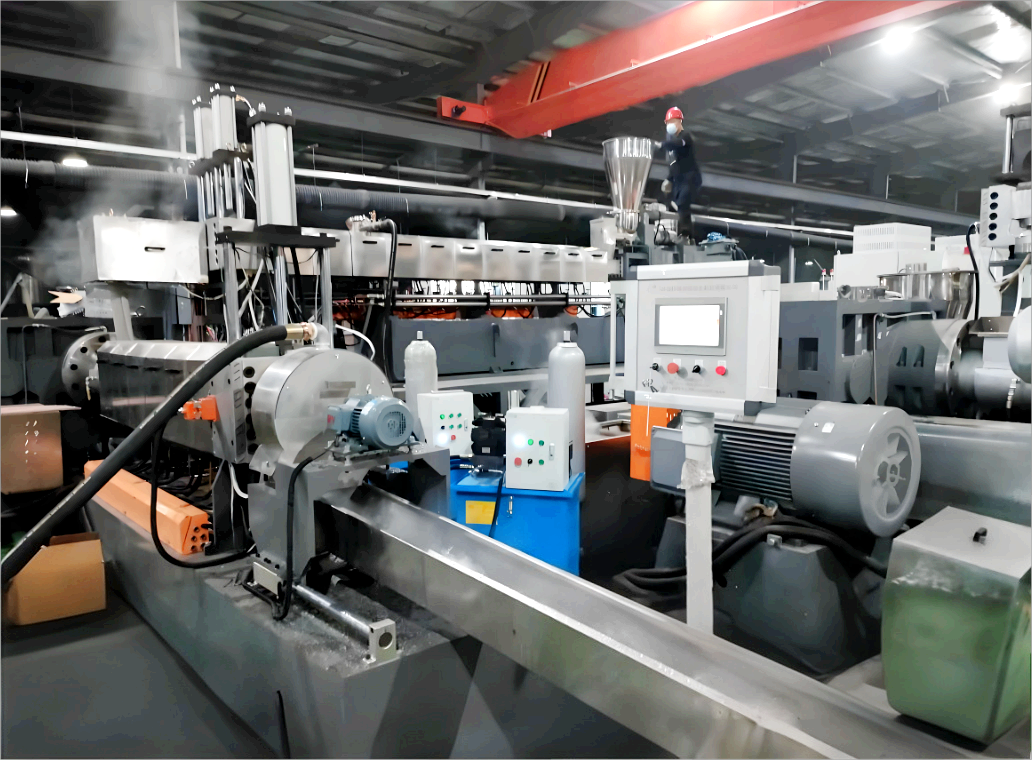
1. Basic principle of plastic modification granulator
Firstly, we need to understand the basic principles of plastic modification granulators. These machines primarily modify ordinary plastics through various physical and chemical methods such as heating, shearing, and mixing, enhancing their mechanical properties, heat resistance, and processability. For instance, by adding substances like antioxidants, flame retardants, or reinforcing fibers, plastics can be applied in a wider range of fields.
The modified plastic material needs to be further processed into uniform small particles through a granulation process for subsequent processing and application. This process involves not just simple extrusion and cutting, but also requires high-precision control from the machine to ensure the uniformity and stability of the particles.
2. Application fields of plastic modification granulator
The application of plastic modification granulators covers almost all industries related to plastic products. Whether it is automobile manufacturing, home appliance production, or building materials and electronic components, plastic modification granulators play an important role. For example, the automotive industry has very high requirements for plastic materials, not only for lightweight, but also for heat resistance, anti-aging and other characteristics. These requirements can be achieved by modifying the raw materials through plastic modification granulators.
The home appliance industry also relies heavily on this efficient modification equipment. The casings of home appliances we use daily typically need to possess characteristics such as impact resistance and wear resistance. Through plastic modification granulators, originally fragile plastics can become stronger and more durable, and even acquire certain antibacterial functions.
3. Technical advantages of plastic modification granulator
Compared to traditional plastic granulators, plastic modification granulators possess numerous technological advantages. Firstly, they are capable of performing multiple process operations simultaneously, such as mixing, shearing, heating, etc. This multifunctional integration enhances the efficiency of the production process. Furthermore, the machine boasts a high degree of automation, enabling precise parameter control through a computer system, thereby significantly reducing human intervention and boosting production efficiency.
Another technical advantage lies in its energy efficiency. Modern plastic modification granulators are often equipped with energy-saving systems that reduce energy waste by optimizing the heating and shearing processes. This not only reduces costs for large-scale production enterprises but also meets environmental protection requirements.
4. Challenges and future prospects of plastic modification granulators
However, the plastic modification granulator is not without its challenges. In practical operations, due to the significant differences in the properties of various plastic materials, the setup and debugging process of the machine may be relatively complex. This requires operators to possess a high level of technical expertise and extensive experience. Furthermore, with increasingly stringent environmental protection requirements, how to continue to improve production efficiency while reducing pollution has also become an important issue in the industry.
Looking ahead, the technology of plastic modification granulators will undergo further upgrades. By introducing smart manufacturing and Internet of Things (IoT) technologies, the automation level and intelligent management capabilities of the machines will continue to improve, and even fully automated production without human supervision can be achieved. At the same time, with the continuous emergence of new materials, the application scope of plastic modification granulators will also become broader, facilitating the birth of more innovative products.
The plastic modification granulator plays an indispensable role in modern manufacturing. It not only helps enterprises improve production efficiency and reduce costs, but also broadens the application fields of plastic materials. It is precisely this efficient production tool that enables the rapid development of the plastics industry and continuously breaks through technological bottlenecks.
However, with the increasing awareness of environmental protection and continuous technological advancements, the future of plastic modification granulators still faces many challenges. We must not only consider how to further enhance the efficiency of the machines, but also make more efforts in reducing pollution, conserving energy, and reducing emissions. Perhaps as the French philosopher Descartes said, "Cogito, ergo sum." It is precisely in this continuous thinking and progress that the future of plastic modification granulators becomes even more promising.
If you are interested in the working principle or application scenarios of plastic modification granulators, or wish to learn more about cutting-edge technologies in the plastics industry, please stay tuned to subsequent articles from Nanjing Juli Chemical Machinery. We will bring you more in-depth discussions and interpretations.
.png)

.png)

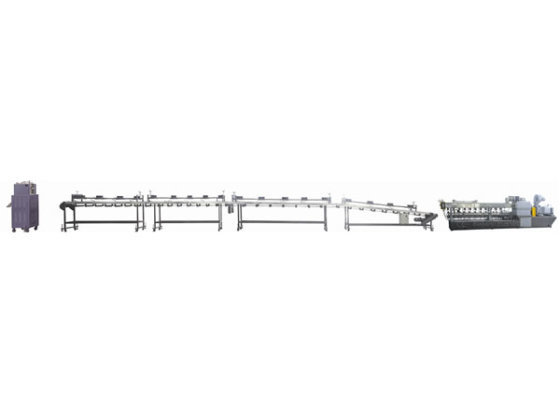
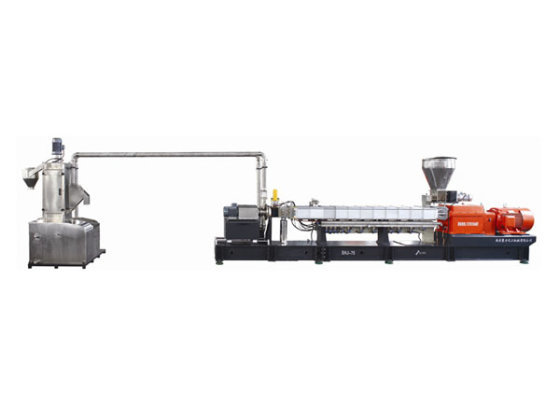
公司多年来专业从事以同向塑料改性造粒机、南京双螺杆挤出机、水下切粒机、片材挤出生产线、全降解造粒生产线
为核心的塑料高聚物配混改性设备以及相关工艺与工程领域的技术开发,及配套辅机的科研开发和生产制造
-
 查看详情 ➜
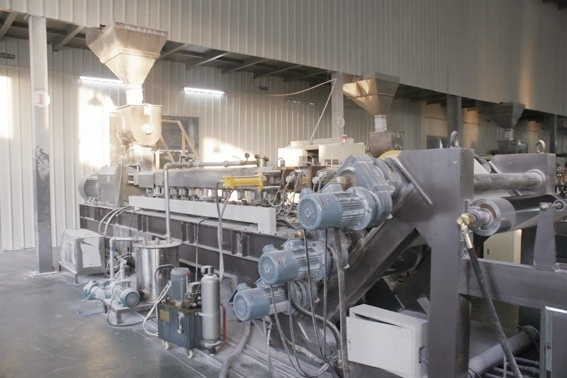
目前为止,我公司已为浙江天禾生态有限公司提供了多条生物降解挤出生产线,其中包括两条SHJ75系列造粒挤出生产线及多条SHJ75系列生物降解片材挤出生产线等,且已成为浙江天禾生态科技有限公司指定设备配套生产基地
-
 查看详情 ➜
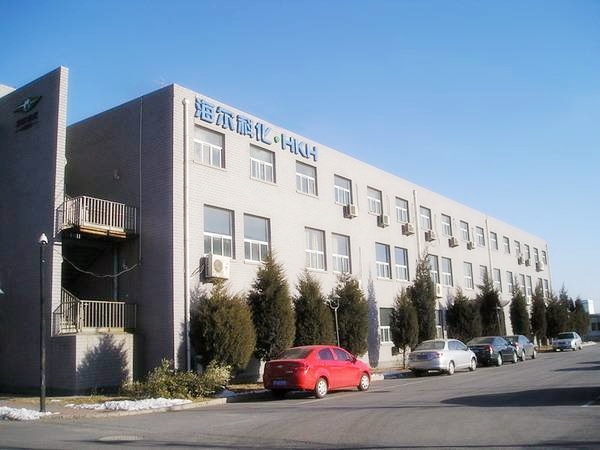
迄今为止,我公司共提供该公司九条双螺杆挤出生产线,型号分别为SHJ35,SHJ55,SHJ65,SHJ75等。并以持之以恒的高品质,优服务荣幸地被北京海尔科化股份有限公司评定为“中国内地合格供应商”,急客户所急,第一时间为客户排忧解难。
-
.jpg) 查看详情 ➜
查看详情 ➜常州塑金高分子科技有限公司于2007年,我公司与常州塑金高分子有限公司成功达成首期设备供应协议, 包括五条SHJ75型双螺杆挤出机;2010年又成功达成第二期批量性设备供应协议,包括十条SHJ75B型及SHJ75D型等系列双螺杆挤出生线。

-
03 2024-09
在塑料高聚物配混改性设备中,水下切粒机的技术创新日益受到关注。作为一种重要的加工设备,双螺杆挤出机在塑料行业中有着广泛的......
-
22 2024-08
在现代化的技术发展中,可降解片材生产线已经成为了一个重要的行业。随着环境保护意识的增强和法规的加强,可降解材料的需求也在......
-
08 2024-04
在现代化的技术发展中,可降解片材生产线已经成为了一个重要的行业。随着环境保护意识的增强和法规的加强,可降解材料的需求也在......
-
09 2024-02
双螺杆挤出机是现代塑料加工设备中比较流行的一种。相比于传统单螺杆挤出机,双螺杆挤出机具有以下优点:双螺杆挤出机在挤出过程......
(1)_副本.png)

邮箱:njjl@njjl.com
地址:南京江宁区湖熟镇汤铜路77号
南京江宁区湖熟镇波光路9号

中国南京双螺杆挤出机企业,中国改性塑料行业企业,提供从需求分析、方案设计到实施部署的一站式解决方案