
Production process
The inorganic fillers (such as calcium carbonate, talc powder,
wollastonite, titanium dioxide, etc.) in synthetic paper account for
about 60% to 80% of the total mass of synthetic paper. According to the
different uses of synthetic paper, PP, PE and other resins and various
chemical additives are added, and through blending, modification, and
extrusion processes, a specialized masterbatch is produced.
At present, synthetic paper at home and abroad is mainly divided into
rolling method, casting method, blowing film method, biaxial stretching
method, and non-woven paper method. According to the structure and usage
requirements, it is divided into single-layer synthetic paper,
three-layer synthetic paper, five-layer synthetic paper, and multi-layer
synthetic paper.
1. Synthetic paper rolling production method
The process flow of rolling method: ingredients, blending, internal mixing, and extrusion are used to produce specialized masterbatch, which is then extruded, rolled, stretched, cooled, surface treated, cut, and coated to form synthetic paper. Some of this process flow adopts specialized masterbatch and rolling segmented production, while some advanced production equipment abroad also adopts continuous one-time forming process.
The rolling method has high production efficiency, good product quality, and smooth paper surface, making it suitable for printing high-end picture albums and book covers. Its drawbacks are complex processes, a large proportion of products, and expensive equipment prices.
2. Synthetic paper casting production method
The production process of casting method is basically similar to that of rolling method. The characteristic of the casting method is that there is a certain speed difference between the extrusion speed of the die head and the rotation of the casting roller, forming a stretch between the meniscus of the die head extrusion and the cooling roller. The thickness of the synthetic paper can be adjusted according to different product requirements. There are many products based on PP resin, which have advantages such as good rigidity, high toughness, and good tensile strength. Due to the production process, the molecular structure distribution of the product is unidirectional, and the longitudinal and transverse physical properties of synthetic paper have certain differences.
Using polypropylene resin, we produce shopping bags, packaging boxes, food packaging boxes for airplanes and shopping malls, with a delicate appearance and natural degradation.
3. Synthetic paper blown film production method
The base material used in the production of synthetic paper by blown film method is mostly PE, mainly formed by three layer co extrusion blow molding. Some also use single layer, five layer, and multi-layer production processes. Depending on the product purpose, the resin content of the inner and outer layers of synthetic paper can be appropriately increased. The inorganic powder content of the inner layer is high, and the materials used in each layer are different. The longitudinal and transverse stretching of the product can be adjusted within a certain range to ensure uniform thickness and stable physical properties of the synthetic paper product.
The characteristics of this process are high yield, simple process, uniform product thickness, and low equipment investment. However, due to the high resin content and certain limitations in the width of the paper.
The film blowing method is divided into upper blowing method and lower blowing method:
4. Synthetic paper - unidirectional stretching production method
The unidirectional stretching method adopts an extrusion process similar to rolling and casting, and is equipped with a unidirectional stretching system. After longitudinal stretching, the distribution of resin molecular chains is uniform and consistent, and the physical properties of synthetic paper in the longitudinal direction are also basically similar. During the unidirectional stretching process, small gaps that are difficult to observe may occur between synthetic resins and inorganic powders due to differences in material properties and interfacial compatibility, commonly known as the "island phenomenon". These phenomena can reduce the specific gravity and production cost of synthetic paper, and also significantly improve the physical properties, appearance, coloring, and moisture absorption of synthetic paper. Especially after stretching, it will form a certain pearlescent effect, giving paper printing a magnificent and exquisite effect, suitable for advertising spray painting, exquisite art albums, and other aspects. The unidirectional stretching process has complex equipment, high investment, and exquisite production technology, which will be limited by various factors in the early stages of popularizing synthetic paper. However, the product has excellent performance, low production costs, and a wide range of uses. This process will be the development direction of synthetic paper and also an advanced processing technology currently applied internationally.
5. Synthetic paper non-woven paper production method
DuPont Company in the United States applied its non-woven fabric
production process to the production of synthetic paper, using
polypropylene as the main substrate to produce "non-woven synthetic
paper". After the raw and auxiliary materials are melted, extremely fine
filamentous fibers are extruded and rolled to form non-woven synthetic
paper.
The product has the characteristics of paper, with a light weight,
strong permeability, good physical and mechanical properties, high
coloring strength, and low product deformation. This product can be
widely used for furniture decoration, product packaging, interior
decoration wallpaper, etc. However, this process has high production
costs and complex processing equipment.
At present, many domestic manufacturers are trial-producing synthetic
paper, and many enterprises have conducted various innovative research
in raw materials, equipment, processes, etc., such as heavy/light
calcium blending, PP/PE composite, one-step blending/extrusion
production process and so on.
To learn more about the production process and equipment of the
"synthetic paper/stone paper" project, Nanjing Juli Chemical Machinery
Co., Ltd. welcomes you to call, write or visit our company to discuss
and exchange technical and equipment matters related to the production
of "synthetic paper/stone paper"!
.png)

.png)

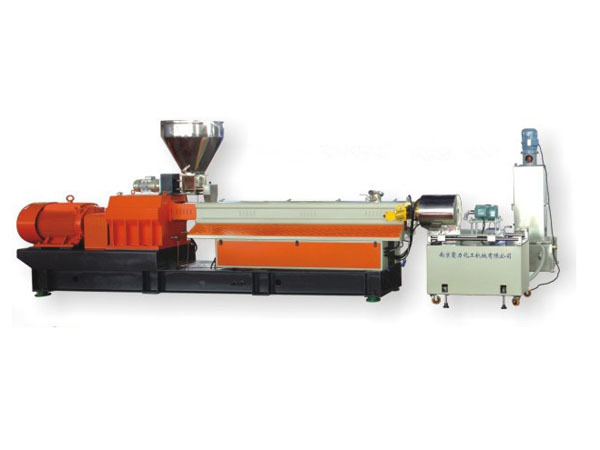
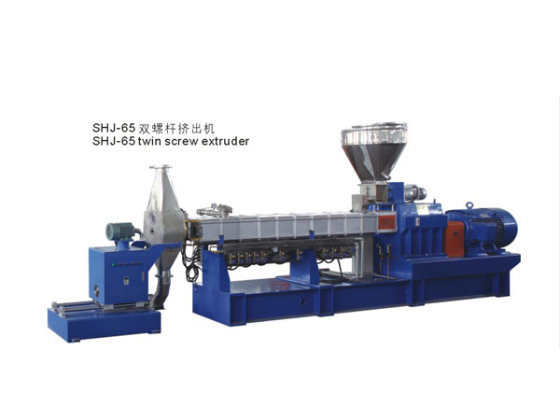
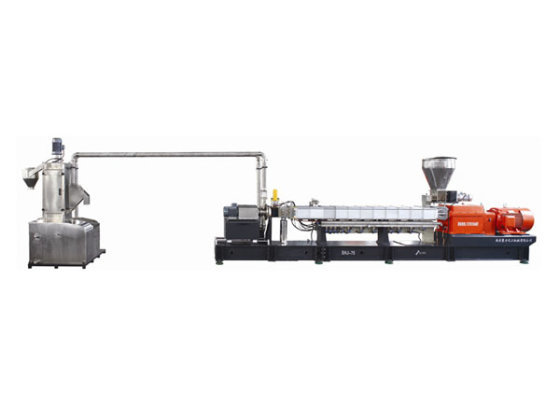
公司多年来专业从事以同向塑料改性造粒机、南京双螺杆挤出机、水下切粒机、片材挤出生产线、全降解造粒生产线
为核心的塑料高聚物配混改性设备以及相关工艺与工程领域的技术开发,及配套辅机的科研开发和生产制造
-
 查看详情 ➜
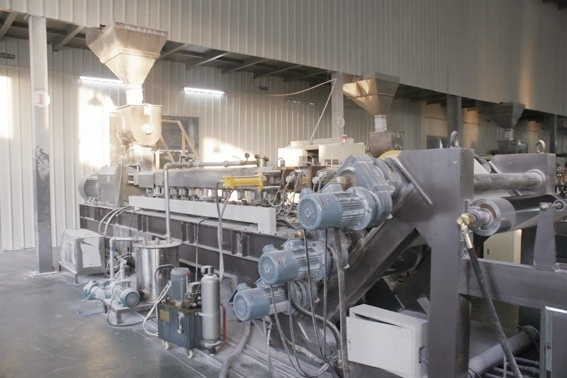
目前为止,我公司已为浙江天禾生态有限公司提供了多条生物降解挤出生产线,其中包括两条SHJ75系列造粒挤出生产线及多条SHJ75系列生物降解片材挤出生产线等,且已成为浙江天禾生态科技有限公司指定设备配套生产基地
-
 查看详情 ➜
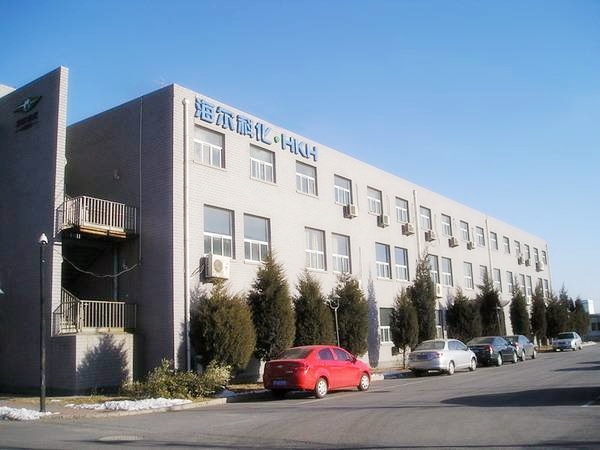
迄今为止,我公司共提供该公司九条双螺杆挤出生产线,型号分别为SHJ35,SHJ55,SHJ65,SHJ75等。并以持之以恒的高品质,优服务荣幸地被北京海尔科化股份有限公司评定为“中国内地合格供应商”,急客户所急,第一时间为客户排忧解难。
-
.jpg) 查看详情 ➜
查看详情 ➜常州塑金高分子科技有限公司于2007年,我公司与常州塑金高分子有限公司成功达成首期设备供应协议, 包括五条SHJ75型双螺杆挤出机;2010年又成功达成第二期批量性设备供应协议,包括十条SHJ75B型及SHJ75D型等系列双螺杆挤出生线。

-
03 2024-09
在塑料高聚物配混改性设备中,水下切粒机的技术创新日益受到关注。作为一种重要的加工设备,双螺杆挤出机在塑料行业中有着广泛的......
-
22 2024-08
在现代化的技术发展中,可降解片材生产线已经成为了一个重要的行业。随着环境保护意识的增强和法规的加强,可降解材料的需求也在......
-
08 2024-04
在现代化的技术发展中,可降解片材生产线已经成为了一个重要的行业。随着环境保护意识的增强和法规的加强,可降解材料的需求也在......
-
09 2024-02
双螺杆挤出机是现代塑料加工设备中比较流行的一种。相比于传统单螺杆挤出机,双螺杆挤出机具有以下优点:双螺杆挤出机在挤出过程......
(1)_副本.png)

邮箱:njjl@njjl.com
地址:南京江宁区湖熟镇汤铜路77号
南京江宁区湖熟镇波光路9号

中国南京双螺杆挤出机企业,中国改性塑料行业企业,提供从需求分析、方案设计到实施部署的一站式解决方案